
Fall Wildlife Activity in Florida Homes: Signs, Damage and Professional Removal

Fall in Florida does not bring the same hard freeze that northern states see, but local wildlife still changes its behavior. As temperatures ease, rain patterns shift, and food sources begin to change, animals start looking for easier shelter, safer nesting areas, and steady access to food.
For many Treasure Coast homeowners, that search leads straight to the attic, garage, soffit, crawl space, roofline, or yard.
Rodents, raccoons, squirrels, opossums, bats, ants, roaches, and other nuisance pests can become more noticeable around Florida homes during the fall season. Some are trying to escape cooler nights. Others are preparing nesting areas. Many are simply taking advantage of small openings, overgrown landscaping, pet food, unsecured trash, or roof damage.
The problem is not just the noise. Wildlife can damage insulation, chew electrical wiring, contaminate attic spaces, tear up ductwork, and create entry points that invite more pests inside. Knowing what to watch for can help homeowners act before a minor issue becomes a costly repair.

Why wildlife becomes more active around Florida homes in fall
Florida’s fall season is mild compared with most of the country, but animals still respond to seasonal changes. Shorter days, cooler evenings, and changing food availability can all influence where pests and wildlife move.
Around the Treasure Coast, fall often creates the right mix of conditions for nuisance wildlife:
Less intense heat makes animals more active during the day and evening.
Storm activity may leave damaged soffits, loose roof edges, and gaps around homes.
Fruit, nuts, seeds, insects, and outdoor food sources can attract wildlife into yards.
Attics provide warmth, protection, and quiet shelter.
Rodents and other pests can squeeze through surprisingly small openings.
Homes in Port St. Lucie, Fort Pierce, Stuart, Jensen Beach, Vero Beach, and nearby communities often have features wildlife can exploit. Roof returns, vents, fascia gaps, pool cages, stacked firewood, dense shrubs, and open garage doors can all create access or shelter.
This is why fall is a smart time to inspect the home’s exterior and schedule help if warning signs appear. For homeowners comparing options for pest control Treasure Coast, the best approach is usually a combination of removal, exclusion, cleanup, and prevention.
Common fall wildlife problems on the Treasure Coast
Different animals create different problems. Some are loud and obvious. Others stay hidden for weeks while damage builds behind the scenes.
Rodents
Rats and mice are among the most common fall invaders. Roof rats are especially adapted to climbing and may travel along trees, fences, gutters, and utility lines to reach a roof.
Once inside, rodents can:
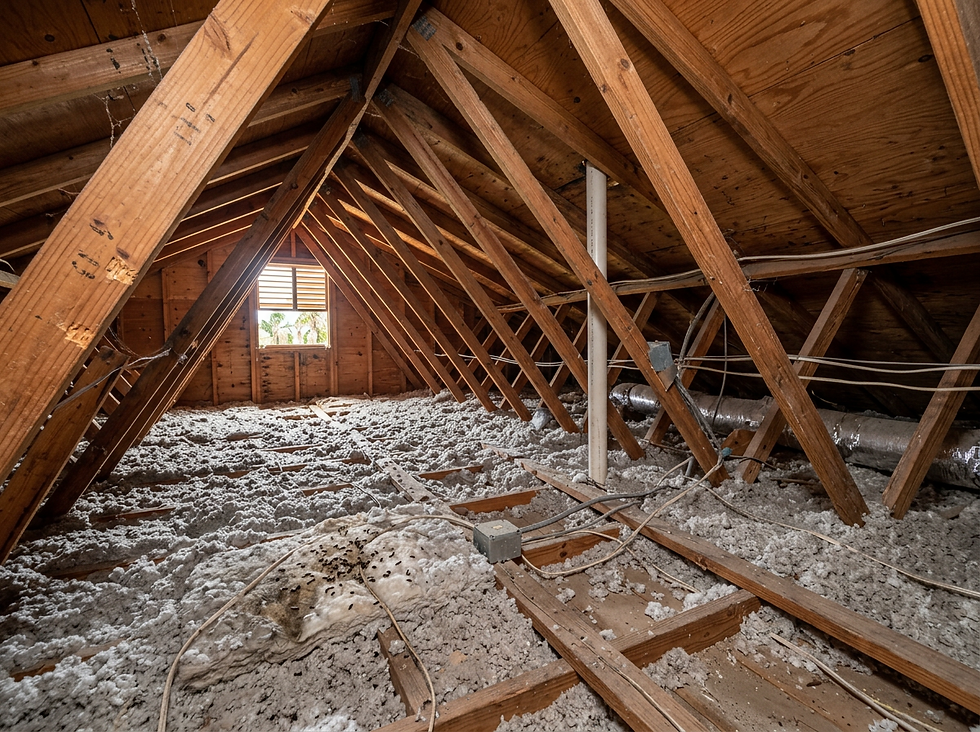
Nest in insulation
Chew wires, wood, drywall, and plastic
Contaminate surfaces with droppings and urine
Damage stored belongings
Attract fleas, ticks, and other pests
Rodents reproduce quickly, so a small issue can grow fast if it is not handled properly. Trapping alone may not solve the problem if entry points remain open.
Raccoons
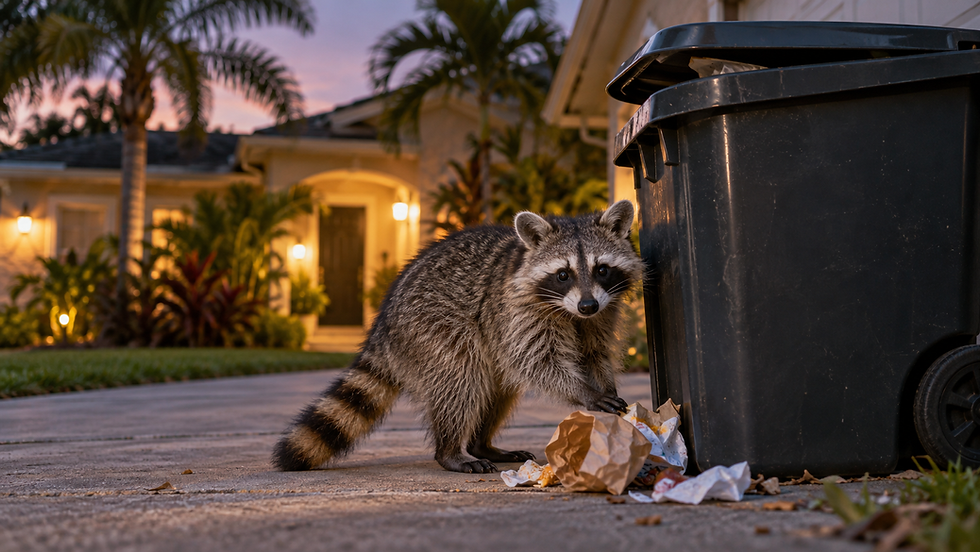
Raccoons are strong, clever, and persistent. They may pry at vents, roof edges, chimney caps, and soffits to get into an attic or wall void.
Their weight and strength can cause more serious structural damage than smaller animals. Raccoons may also tear up insulation, damage ductwork, create large latrine areas, and leave behind strong odors.
Because raccoons can be defensive, especially if young are present, they should never be cornered or handled by a homeowner.
Squirrels
Squirrels are active, agile, and excellent chewers. They often enter through roofline gaps, vents, rotten fascia boards, or openings where tree limbs touch the structure.
Inside an attic, squirrels may chew wires, shred insulation, and build nests in protected corners. Daytime scratching, scurrying, or rolling sounds may point to squirrel activity, since squirrels are most active during daylight hours.
Opossums and other nuisance wildlife
Opossums commonly look for food around trash, pet bowls, fallen fruit, and outdoor feeding areas. They may shelter under decks, sheds, porches, or crawl spaces.
Other nuisance wildlife can also create problems depending on the property. Bats may use small gaps near rooflines or vents. Armadillos may dig in lawns and landscape beds. Snakes may follow rodent activity near a home.
Each situation requires the right identification. Guessing can lead to the wrong fix, wasted effort, and continued damage.

Warning signs homeowners should not ignore
Wildlife often leaves clues before anyone sees the animal. The earlier these signs are noticed, the easier it may be to limit damage.
Look and listen for these common warning signs around the home:
Scratching or thumping in the attic
Noises above the ceiling are one of the top signs of wildlife activity. Scratching, running, chewing, or heavy thuds may happen at night, early morning, or during the day depending on the animal.
Droppings or urine stains
Droppings in the attic, garage, pantry, under sinks, or along walls should be addressed quickly. They can point to rodents, bats, raccoons, or other animals.
Chewed materials
Gnaw marks on wires, wood, PVC, vents, storage boxes, or food packaging often indicate rodents or squirrels. Chewing is not just annoying. It can create fire risks when wiring is involved.
Damaged soffits, vents, or fascia
Loose screens, bent vents, torn soffits, and broken roofline materials may show where animals are entering.
Strong odors
A musty, ammonia-like, or foul smell may come from urine, droppings, nesting material, or a deceased animal in a wall or attic space.
Tracks, grease marks, or trails
Rodents often leave dark rub marks along travel paths. Raccoons and opossums may leave tracks in soft soil, mulch, or dust.
Pet behavior changes
Dogs or cats may stare at ceilings, sniff baseboards, paw at cabinets, or react to sounds people do not notice.
Yard disturbance
Digging near foundations, overturned trash, damaged gardens, and ripped bags may point to wildlife feeding or nesting activity.
If more than one of these signs appears, the issue may already be established. That is when a professional inspection becomes especially important.
The damage wildlife can cause inside a home
Wildlife problems are easy to underestimate because much of the damage happens in hidden spaces. An attic can look normal from below while insulation, wiring, and structural materials are being damaged above the ceiling.
Attic contamination
Animals use attic spaces for nesting, feeding, and waste. Droppings, urine, nesting materials, and food debris can contaminate insulation and create odors. In some cases, contaminated insulation may need removal and replacement.
A clean-looking attic from the access hatch may still have hidden contamination in corners, behind ductwork, or under insulation.
Insulation damage
Insulation works best when it stays clean, dry, and evenly distributed. Wildlife can flatten it, tunnel through it, shred it for nesting, or soil it with urine and droppings.
Damaged insulation can make the home less comfortable and may increase stress on the HVAC system, especially in Florida’s warm climate.
Electrical and wiring risks
Rodents and squirrels chew constantly to control tooth growth. Unfortunately, electrical wiring is a common target.
Chewed wires can expose conductors, damage appliance connections, or create safety concerns inside walls and attics. Any suspected wiring damage should be evaluated by a qualified professional.
Ductwork and HVAC problems
Attics often contain ductwork, air handlers, or HVAC lines. Wildlife can tear duct insulation, crush flexible ducts, or contaminate areas around air movement systems.
This can affect comfort, air quality, and energy use. It can also spread odors through the home.
Roofline and exterior damage
Raccoons may pull at roof edges. Squirrels may chew through fascia. Rodents may enlarge small gaps. Once an entry point exists, rain, insects, and other pests can follow.
A wildlife issue can turn into a moisture issue, then into a repair issue. That is why exclusion and sealing are just as important as removing the animal.

Why DIY wildlife removal often falls short
It is understandable to want a quick fix. A scratching sound in the attic can be stressful, and a trap from a hardware store may seem like an easy answer.
The challenge is that wildlife removal is not just about catching one animal.
A complete solution should answer several questions:
Question | Why it matters |
What animal is present? | Rodents, raccoons, squirrels, bats, and opossums require different methods. |
How is it getting in? | Without sealing access points, new animals may enter later. |
Are there young animals inside? | Removing an adult at the wrong time can leave young behind. |
Is the attic contaminated? | Droppings, urine, and nesting debris may need cleanup. |
What attracted the animal? | Food, water, shelter, and landscaping issues can keep bringing wildlife back. |
DIY methods can also create safety risks. Wild animals may bite or scratch if trapped or cornered. Some carry parasites. Some are protected by rules that affect how they can be handled. Improper sealing can trap animals inside walls, which can lead to odors, damage, and more stress.
That is why professional wildlife removal focuses on the full picture: inspection, identification, humane removal, exclusion, cleanup recommendations, and prevention.
What a professional inspection should include
A good inspection is more than a quick look around the attic hatch. Wildlife entry points are often small, high, hidden, or easy to miss.
A professional should inspect key areas such as:
Roof returns and soffits
Fascia boards and eaves
Attic vents and gable vents
Dryer, bathroom, and kitchen exhaust vents
Chimney caps and roof penetrations
Garage doors and weatherstripping
Foundation gaps and crawl space openings
Tree limbs close to the roof
Evidence inside the attic or garage
The goal is to identify both the active problem and the conditions that allowed it to happen.
For homeowners needing wildlife removal in Port St. Lucie, a local company familiar with Treasure Coast homes can also recognize common building styles, neighborhood wildlife patterns, and seasonal pressure points.
Prevention steps that help keep wildlife out
Professional service is the best choice when animals are already inside, but homeowners can reduce future risk with routine prevention.
Start with the exterior. Walk around the home and look upward. Many entry points are near the roofline, not at ground level.
Helpful prevention steps include:
Trim tree branches away from the roof.
Secure trash lids and avoid leaving bags outside overnight.
Bring pet food indoors after feeding.
Pick up fallen fruit from trees.
Store birdseed and lawn products in sealed containers.
Repair damaged soffits, vents, and fascia.
Check that garage door seals close tightly.
Keep shrubs trimmed away from exterior walls.
Avoid stacking firewood directly against the house.
Small openings matter. Mice can fit through very small gaps, and rats can squeeze through holes that look too small at first glance. Squirrels can chew an opening larger once they find a weak spot. Raccoons can pull at loose materials until they create access.
Prevention works best when it combines repairs, habitat changes, and ongoing monitoring.

Why fall is the right time to act
Fall is a practical time to address pest and wildlife concerns because activity often becomes easier to notice before the busiest winter nesting and shelter-seeking periods.
A fall inspection can help catch:
Roofline gaps after summer storms
Early rodent activity before a larger infestation develops
Squirrel or raccoon access points before major attic damage occurs
Yard conditions that attract wildlife near the home
Insect activity that may support rodents or other pests
Waiting can make the problem more expensive. Wildlife rarely fixes itself. If an animal found safe shelter in an attic, another animal may use the same entry point later. If rodents found food near the home, they may keep returning. If damage creates a gap, weather and pests can make that gap worse.
Fast action protects the home and gives homeowners peace of mind.
Choose Rogue Pest & Wildlife Removal for local help
Rogue Pest & Wildlife Removal serves Florida’s Treasure Coast with professional pest control and wildlife removal solutions designed for real homes and real seasonal problems.
The team understands how fall conditions affect local wildlife activity and how animals commonly enter homes across the region. From rodents in attic insulation to raccoons damaging soffits or squirrels chewing near rooflines, the right response starts with a careful inspection.
A professional plan may include:
Identifying the species involved
Locating entry and exit points
Removing nuisance wildlife safely and humanely
Recommending exclusion repairs
Advising on cleanup needs
Helping reduce future activity around the property
Fall wildlife activity can start with a faint noise overhead or a small gap near the roof. Left alone, it can lead to insulation damage, wiring concerns, odors, contamination, and repeated intrusions.
If something sounds, smells, or looks unusual around your attic, roofline, garage, or yard, do not wait for the problem to grow. Contact Rogue Pest & Wildlife Removal at 772-342-0262 or https://www.roguepestandwildlife.com/ today too schedule an inspection and get trusted local help protecting your home from nuisance pests and wildlife.

Comments