
What’s Scratching in My Attic at Night? A Port St. Lucie Homeowner’s Guide

Hearing scratching, scurrying, chewing, or thumping in your attic at night can be unsettling. More importantly, those noises may be a sign that rats, raccoons, or other wildlife have found their way into your home.
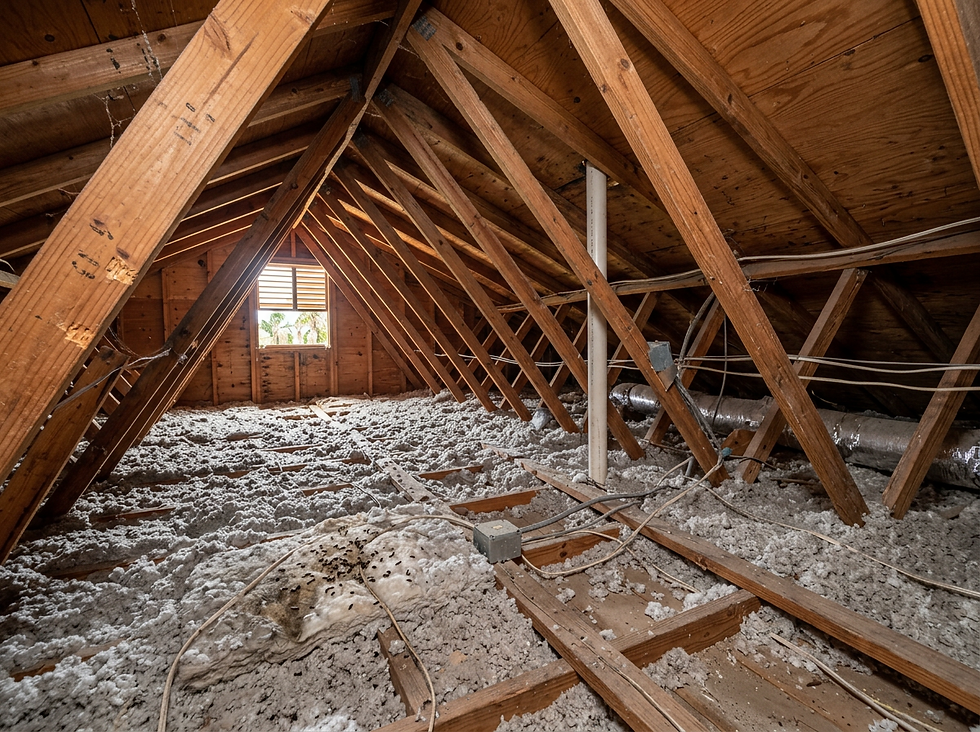
Here in Port St. Lucie, Florida, wildlife can take advantage of openings around roofs, soffits, vents, fascia, and other vulnerable areas of a home. Once inside, an attic provides shelter and a protected place to nest.
The type of sound you're hearing—and when you hear it—can provide some clues about what's living above your ceiling.

What Animals Make Scratching Noises in Port St. Lucie Attics?
Several animals can cause noises inside an attic. Here are some of the most common possibilities.
Rats
If you're hearing quick scratching, scurrying, or chewing sounds at night, you could have rats in your attic.
Rats are excellent climbers and can take advantage of small openings around a home's exterior. Once inside, they may travel through insulation, walls, and other areas of the structure.
Signs of rats can include:
Scratching or scurrying at night
Droppings
Gnaw or chew marks
Damaged or disturbed insulation
Unusual odors
Noises inside walls or ceilings
If you're hearing these sounds regularly, it's worth having the attic inspected rather than waiting for the problem to disappear on its own.
Raccoons
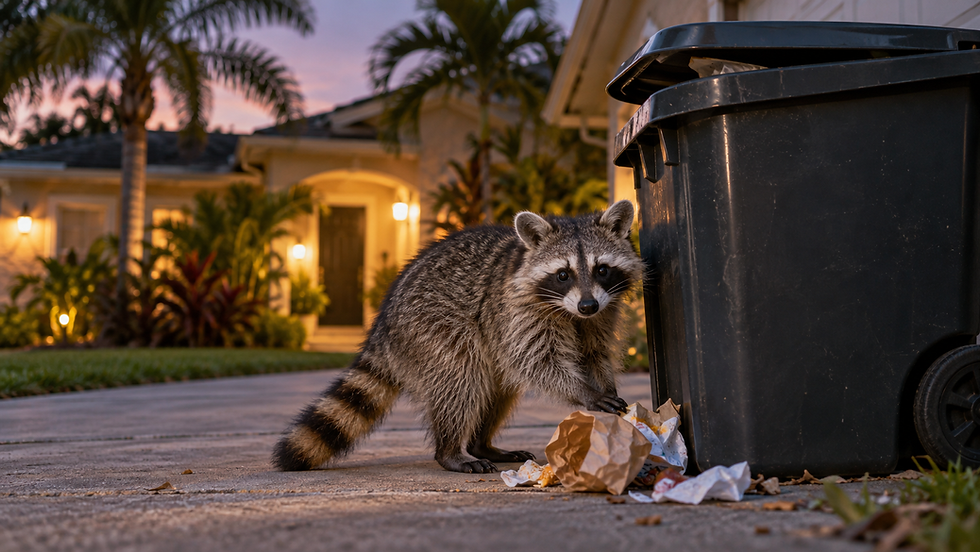
Raccoons tend to make much heavier noises than rats.
A raccoon in your attic might sound like footsteps, thumping, shuffling, or something noticeably larger moving above your ceiling. Because raccoons are primarily active at night, homeowners may notice the sounds after dark.
Raccoons can take advantage of damaged soffits, roof openings, vents, and other vulnerable areas. They may also use attics as protected places to raise their young.
If you suspect a raccoon is inside, don't immediately seal the opening. There could be additional animals or babies inside the attic.
Squirrels
Squirrels can also get into attics, although their activity is generally more noticeable during the daytime or early morning.
You may hear:
Fast running
Scratching
Chewing
Movement across the attic
An inspection can help determine whether you're dealing with squirrels, rats, raccoons, or another animal.
Why Are Animals Getting Into My Attic?
Your attic offers wildlife something valuable: shelter.
Animals don't need a large opening to find their way into a structure. Vulnerable areas around a home can provide potential entry points.
These may include:
Damaged soffits
Gaps around the roofline
Roof or attic vents
Fascia damage
Damaged screens
Openings around utility penetrations
Existing holes created or enlarged by animals
Some entry points can be difficult to spot from the ground.
That's why identifying the animal is only one part of solving an attic wildlife problem. It's also important to determine how the animal got inside in the first place.
Why You Shouldn't Ignore Scratching in Your Attic
If you hear something once, it can be tempting to assume the animal will leave.
But continued wildlife or rodent activity inside an attic can potentially lead to property damage and contamination.
Depending on the animal, problems can include:
Damaged insulation
Urine and droppings
Chewed building materials
Damaged ductwork
Nesting materials
Enlarged entry holes
Persistent odors
Rodents can also gnaw on electrical wiring, which is another reason attic activity shouldn't be ignored.
Addressing the problem early can help prevent a minor wildlife issue from turning into a larger one.
Can I Just Seal the Hole?
Not yet.
One of the biggest mistakes a homeowner can make is sealing an entry point while an animal is still inside.
Doing so can trap wildlife inside the attic or another part of the home. In some situations, a mother may also have young inside that aren't capable of leaving on their own.
A proper wildlife-control approach involves determining what's inside, addressing the animal appropriately, and then identifying vulnerable entry points that need to be secured.
Simply removing an animal without addressing how it entered may leave your home vulnerable to another wildlife problem later.
How Can I Tell What's in My Attic?
Pay attention to three things.
When Do You Hear It?
Activity primarily at night may point toward nocturnal animals such as rats or raccoons.
Activity during the morning or daytime could indicate squirrels or other wildlife.
What Does It Sound Like?
Fast, light scratching or scurrying sounds very different from the heavier footsteps and thumping that a larger animal can produce.
Where Is the Noise Coming From?
Try to determine whether the activity seems concentrated near a certain wall, corner, soffit, or section of the roof.
These clues can be helpful, but noises alone don't always provide a definite identification.
An inspection of the attic and exterior of the home can help determine exactly what you're dealing with.
Professional Wildlife Removal in Port St. Lucie, FL
If you're hearing scratching or movement in your attic in Port St. Lucie, you don't have to guess what's up there.
Rogue Pest & Wildlife Control helps homeowners identify and resolve pest and wildlife problems, including animals getting into attics and other areas of the home.
We proudly serve Port St. Lucie and communities throughout the Treasure Coast.
Our goal is to determine what's causing the problem, identify how the animal is getting inside, and recommend an appropriate solution for your home.
Hearing Something in Your Attic?
Scratching, scurrying, or thumping above your ceiling shouldn't be ignored.
Contact Rogue Pest & Wildlife Control today to schedule an inspection in Port St. Lucie, Florida.
We'll help you figure out what's making noise in your attic and what needs to be done about it.
Comments